How to Keep Your Yard Safe and Pest Free

The backyard of a modern residential home is far more than just a patch of outdoor green space; it serves as a direct extension of the family living room. It is a cherished sanctuary where children can freely run and play, family pets can explore safely, and friends can gather to relax during warm weekend afternoons. A well-maintained outdoor space elevates your mental well-being, connects you with the natural world, and provides a beautiful backdrop for some of life’s most joyful memories.
To keep your property secure, you cannot rely on occasional, reactive spot treatments. Successful property management demands a holistic, preventative strategy that targets threats at every layer of your yard. By implementing a systematic seasonal framework, you can control invasive ground vegetation, establish strong defensive barriers around your foundation, and exclude unwanted animals from your roof lines. This in-depth guide provides you with a step-by-step roadmap to protect your estate, secure your exterior boundaries, and ensure your yard remains a beautiful, hazard-free environment for everyone to enjoy.
Eradicating Invasive Vegetation to Deny Pests a Habitat
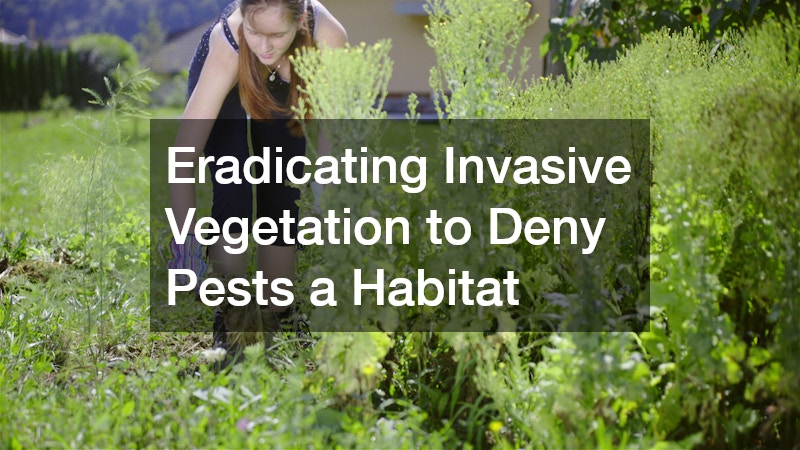
Strip Away Choking Undergrowth and Target Invasive Root Systems
When planning a comprehensive pest-prevention campaign, many homeowners make the mistake of focusing entirely on chemical sprays while ignoring the physical layout of their yard. The absolute foundation of a pest-free property rests upon proper, proactive vegetation management. Thick patches of tall grass, overgrown hedges, creeping vines, and dense piles of unmanaged weeds create an ideal, moisture-rich microclimate that acts as a natural nursery for a wide variety of undesirable organisms.
When weeds are allowed to grow unchecked along your fence lines or beneath your wooden decks, they trap morning dew and shade the soil from the drying effects of afternoon sunlight. This damp environment is exactly what survival-seeking pests like ticks, fleas, mosquitoes, and rodents need to thrive and multiply. Ticks climb to the tips of long weed blades, waiting to transfer onto the fur of a passing pet or the leg of a playing child. Furthermore, unmanaged ground foliage produces an abundance of seeds and berries that serve as a continuous food source for mice and rats, drawing them closer to your home’s foundation.
Reclaiming your yard from these hidden biological threats requires a systematic approach to clearing out space and stabilizing the soil. Engaging in a thorough round of manual weed removal along your fence lines eliminates the thick ground cover where ticks naturally thrive. Stripping away this tangled undergrowth exposes the bare earth to sunlight, disrupting the moisture balance that crawling pests rely on for survival. Implementing a consistent spring schedule for pre-emergent weed control prevents invasive seeds from taking root and choking out your healthy lawn turf. Maintaining a clean, short, and well-aerated lawn allows you to cultivate a dense, resilient carpet of grass that naturally resists pest infestations and provides no place for dangerous critters to hide.
- High-impact habits for establishing a pest-resistant lawn profile:
- Mow your lawn turf at a consistent, recommended height to avoid creating tall hiding spots for fleas.
- Trim back the lower branches of ornamental shrubs at least six inches off the ground to maximize airflow.
- Remove thick accumulations of organic thatch and decaying leaf litter using a heavy metal dethatching rake.
- Use clean hardwood mulch or decorative pea gravel to create a dry, uninviting border along your flowerbeds.
Managing Persistent Crawling Insects on the Ground
Create a Protective Perimeter Barrier Around Your Foundation and Patios
With your ground vegetation cleanly managed and sunlight hitting the soil, you must turn your attention toward the next line of defense: protecting your immediate living spaces from persistent crawling insects. Ants, beetles, earwigs, and crickets are a constant presence in any healthy outdoor ecosystem, but when their populations explode on your patios, walkways, and foundation walls, they rapidly transform from a minor outdoor nuisance into an aggressive indoor invasion force.
Crawling insects are highly opportunistic hunters and gatherers. If your home’s exterior features tiny cracks in the concrete, unsealed gaps around plumbing entry pipes, or weeping holes in the brickwork, outdoor foraging scouts will quickly find these pathways. Once inside your walls, they establish satellite colonies, chew through structural wood, destroy insulation, and contaminate your kitchen pantries. To stop this migration, you must establish a continuous, defensive perimeter barrier that turns insects back before they can ever bridge the gap between your lawn and your interior spaces.
Achieving permanent ant control requires shifting your focus from spraying visible outdoor trails to locating and neutralizing the hidden underground colonies. Foraging trails are merely temporary extensions of a deeply buried nest; applying retail topical sprays to a single line of ants will only cause the queen to split the colony, worsening the infestation. A comprehensive, multi-tiered approach to residential pest control involves creating a continuous liquid barrier around your home’s exterior footprint. By treating the lower three feet of your foundation walls and the immediate three feet of surrounding soil with advanced, non-repellent structural treatments, you ensure that foraging insects carry the treatment back down into the heart of their colonies, neutralizing the entire population at the source.
Defending Outdoor Living Spaces from Aggressive Airborne Stingers
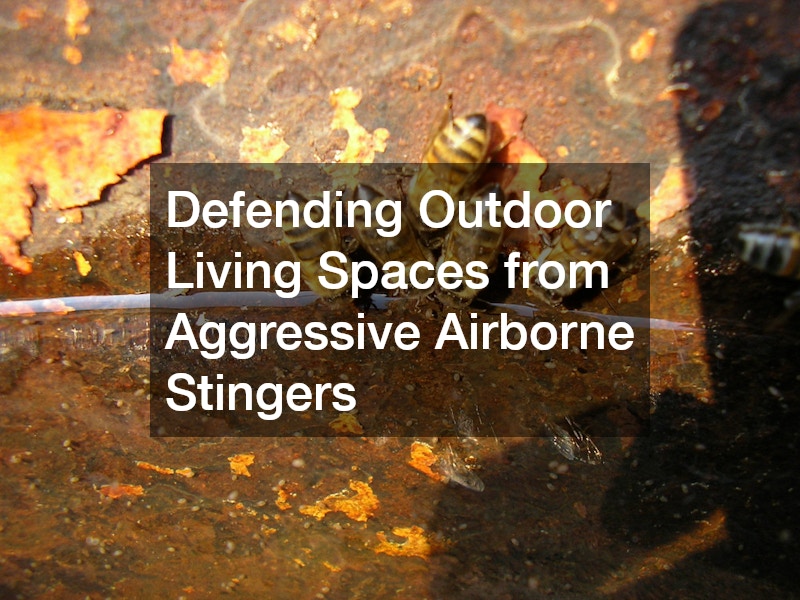
Identify Ground Nests Early and Secure Play Structures from Flying Hazards
As the warm summer months progress, the primary threat to your family’s outdoor comfort often shifts from crawling ground insects to aggressive airborne stinging pests. Wasps, hornets, and wild stinging colonies are incredibly territorial creatures that pose a significant health hazard, especially to young children and individuals who suffer from severe, life-threatening allergic reactions to venom. A peaceful afternoon barbecue can turn into a medical emergency in a matter of seconds if a hidden nest is accidentally disturbed.
Stinging insects are highly selective when choosing nesting locations, looking for spaces that offer structural shelter, elevated protection, and easy access to local food sources. Common trouble zones include the wooden undersides of deck railings, the interior framework of children’s play sets, the eaves of your roof line, and even hidden subterranean cavities inside your lawn. During the early spring, single queens will build small, paper-like starter nests that are easy to eliminate. However, if these structures are ignored until late summer, the colony will swell to include thousands of highly aggressive workers fiercely dedicated to defending their territory.
Successfully executing yellow jacket control demands extreme caution, as these aggressive insects frequently build hidden nests in underground burrows. Walking over an invisible ground nest with a heavy lawn mower can trigger an immediate, swarming attack, resulting in dozens of painful stings. For eco-friendly homeowners, professional live bee removals are the preferred method to safely relocate essential pollinators without using toxic chemicals. If you discover a massive, highly aggressive hornets’ nest suspended from a tree branch or nestled inside an exterior wall cavity, avoid the temptation to throw rocks or spray it with a garden hose; instead, rely on specialized technicians who possess the protective gear and localized treatments required to neutralize the threat safely.
- Strategic steps to minimize stinging insect activity around your deck:
- Inspect all wooden play structures and deck undersides once a week during the early spring months.
- Use tightly sealing lids on all outdoor trash cans and recycling bins to deny wasps access to sugars.
- Avoid wearing sweet, heavily perfumed lotions or bright, floral-patterned clothing when dining outside.
- Hang decorative artificial decoy nests around your patio eaves to naturally deter territorial queens from building nearby.
Humanely Managing Mid-Sized Mammalian Invaders
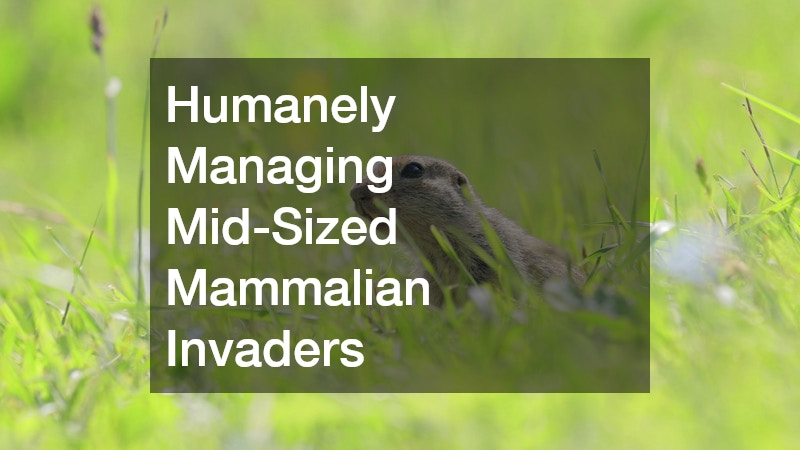
Secure Trash Storage Areas and Seal Off Lower Crawlspace Ingress Points
While managing invasive vegetation and creeping insects stabilizes the lower tiers of your yard’s ecosystem, you must also defend your property against larger, more intelligent mammalian intruders. Suburban neighborhoods are frequently visited by wild woodland scavengers like raccoons, opossums, skunks, and stray rodents. These animals are drawn out of the woods and into residential yards by the powerful, undeniable temptation of easily accessible food sources and cozy, sheltered nesting spaces.
Nocturnal scavengers possess incredible dexterity and problem-solving intelligence. An open garbage bin, a bowl of pet food left out on the back porch overnight, or a low-hanging fruit tree can easily turn your yard into a nightly feeding ground. Once these wild animals become accustomed to finding food on your lot, they will quickly look for ways to settle down permanently, frequently tearing through plastic attic vents, ripping open crawlspace latticework, or nesting beneath wooden decks, which can introduce fleas, ticks, and dangerous diseases like rabies to your family pets.
When a persistent animal manages to tear through your heavy garage vents, contacting a professional raccoon removal service is vital to prevent defensive scratches. Trying to corner an aggressive, nesting mother raccoon yourself can result in severe injuries, as these animals will fight fiercely to protect their young. Experienced animal removal specialists focus on using humane, one-way exclusion doors that allow the target creature to exit your property safely without returning. Once the animal has exited the structure into the wild, technicians will permanently fortify the entry point using heavy-gauge galvanized steel mesh, ensuring your crawlspaces and lower utilities remain completely secure against future breaching attempts.
Securing Roof Lines and Upper Attics from Flying Mammals
Inspect Soffits for Openings and Clear Out Invisible Overhead Nests
The final tier of a comprehensive property defense plan requires looking upward to protect your roof lines, chimney flues, and upper attic spaces. While many homeowners keep a close eye on their ground-level boundaries, they often neglect the high-altitude architecture of their homes. Flying mammals, specifically various native bat species, are highly adept at locating tiny structural vulnerabilities along your roof line to establish hidden, dark roosting spaces inside your warm attic insulation.
Bats are incredibly beneficial creatures for our local environment, consuming thousands of mosquitoes and flying insects every single night. However, when a colony takes up residence inside a residential attic, they present a severe health and structural hazard. Over time, their accumulated droppings, known as guano, will contaminate your home’s insulation, rot out raw ceiling sheetrock, and release dangerous airborne fungal spores that can cause severe respiratory infections in human occupants.
Utilizing specialized wildlife removal services ensures that your roof repairs are completed legally, respecting state protections for native species. Because many bat species are protected by strict conservation laws, you are legally forbidden from harming them or trapping them inside your walls during their active summer breeding and nursing cycles. Professional bat removal services use high-altitude exclusion funnels that allow the mammals to leave for nightly hunting but block them from re-entering your attic. Once the entire colony has naturally cleared out of the space, technicians can safely enter the attic to complete a thorough biohazard cleanup, sanitize the wood framing, and replace any ruined insulation, restoring your home to a clean, pristine condition.
- High-altitude structural checkpoints to examine once a year:
- Inspect the integrity of your chimney cap mesh to ensure no flying pests can drop down the flue.
- Check for gaps where the main roof fascia boards meet the diagonal soffit trim lines.
- Confirm that all attic ridge vents are backed by heavy-duty, chew-proof wire hardware cloth.
- Look for dark, oily staining around tiny openings, which indicates a main animal entry point.
Constructing Smart Preventative Yard Layouts
Implement Xeriscaping Principles and Reduce Standing Water Accumulation
Once you have successfully cleared away invasive vegetation, established a protective liquid barrier around your foundation, and secured your roof line against wildlife entry, the final phase of long-term property protection involves redesigning your overall yard layout to make it naturally uninviting to pests. By intentionally selecting features that deny pests the water, shelter, and breeding grounds they need, you can significantly reduce your reliance on continuous chemical treatments, creating an easy, low-maintenance landscape that remains safe and beautiful year after year.
Conclusion
Transforming your residential yard into a safe, comfortable, and completely pest-free sanctuary is a multi-dimensional journey that blends consistent lawn care with strategic structural protection. By committing to an aggressive seasonal routine of manual weed pulling and pre-emergent turf care, you strip away the damp ground cover that ticks, fleas, and rodents use to build their homes.