The Ultimate Family Guide to Safe and Smart Roofing Maintenance
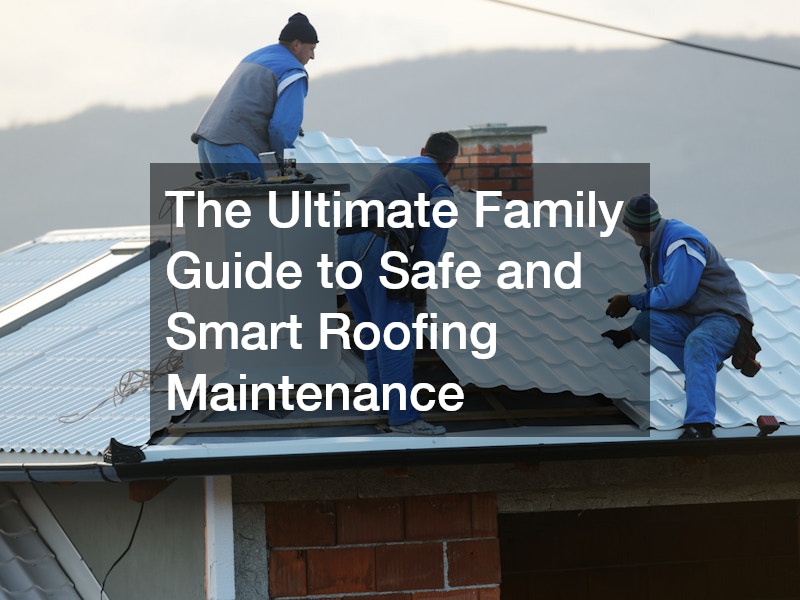
This comprehensive guide is designed to empower your family with the knowledge needed to manage your home’s exterior intelligently. We will dive deep into actionable maintenance strategies, step-by-step assessment techniques, and the best ways to work with industry experts. By implementing these practices, you can ensure your home remains safe, dry, and energy-efficient for decades to come, providing ultimate peace of mind for the people who matter most.
1. Prioritizing Annual Inspections to Prevent Costly Surprises
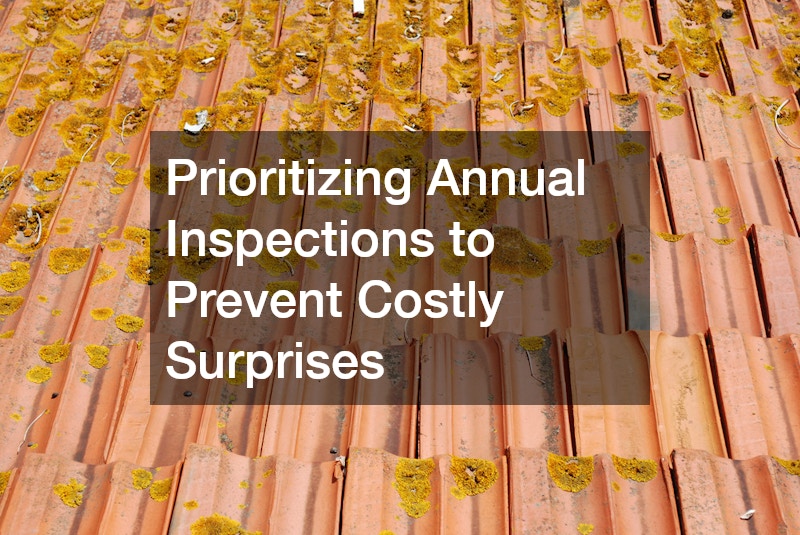
The foundation of smart home care is consistent, proactive evaluation. To avoid these hidden dangers, adults should conduct a thorough visual check at least twice a year, ideally in the spring and autumn. You do not need to climb up a dangerous ladder to do this safely. Instead, grab a pair of high-powered binoculars and stand in your yard where you have a clear view of the structure. Look closely for signs of wear, such as cracked, curling, or entirely missing shingles. Pay special attention to the valleys where different sections meet, as well as the metal flashing around chimneys, vents, and skylights, which are notorious hotspot areas for leaks.
If your ground-level inspection reveals anything suspicious or if your home has recently weathered a severe season, it is time to transition the job to an experienced professional. A certified roofer possesses the specialized safety gear and structural training required to walk high-pitch surfaces safely. They can identify subtle anomalies, such as microscopic hail fractures or loose underlying fasteners, that a homeowner would easily miss. Relying on a professional ensures that your roofing system gets a clean bill of health without putting yourself at physical risk.
2. Keeping Your Home’s Exterior Clean and Damage-Free
Many families view dark streaks and green patches on their house as a purely cosmetic issue that hurts curb appeal. In reality, these unsightly marks are usually colonies of Gloeocapsa magma, a hardy type of blue-green algae, or worse, thick mats of organic moss. Moss behaves like a sponge, holding onto rainwater and keeping it pressed directly against your shingles for weeks on end. As freezing temperatures hit, this trapped water expands, physically lifting the shingles up and breaking the watertight adhesive bonds that keep them secure.
When homeowners decide to tackle this buildup, they often make the critical mistake of renting a heavy-duty pressure washer from a local hardware store. The smart alternative is to seek out specialized structural washing teams who utilize a methodology known as soft-washing. Dedicated roofing services use specialized pumps to apply biodegradable chemical solutions that kill the root systems of algae, moss, and lichen without damaging the structure. When vetting local roof cleaning companies, always ask about their chemical mixtures to ensure they use formulas that are entirely safe for your surrounding landscaping, pets, and children playing in the yard below.
3. Reacting Quickly to Seasonal Weather Damage
High winds, sudden hailstorms, and heavy winter blizzards test the structural limits of any residential property. After a major weather event passes, a smart family should immediately activate a standard post-storm action plan. Start by walking around your property’s perimeter to check for debris. If you find asphalt granules accumulating in piles at the base of your downspouts, or if you spot broken shingle tabs scattered across the lawn, your home has suffered physical damage that requires immediate attention.
If a storm has caused a severe breach, such as a fallen tree limb puncturing the surface, your immediate priority is to mitigate further interior damage. While you must wait for weather conditions to clear before any permanent work can begin, temporary emergency tarping can prevent thousands of dollars in ruined furniture and electronics. Never attempt to scale a wet, slippery surface yourself after a storm; instead, look for certified emergency response teams who can safely secure the perimeter until permanent repairs can be scheduled.
Documenting everything meticulously is your greatest asset when dealing with insurance claims. Take high-resolution photographs of all damage from ground level, keep a written log of the exact date and time of the storm, and gather any local news reports regarding weather severity. When you contact local roofing services for an official damage assessment, ask for a detailed, itemized written estimate. Presenting this clear documentation to your insurance adjuster ensures you receive the full financial coverage you are entitled to, speeding up your local roofing repair timeline significantly.
4. Planning for a Total Structural Upgrade
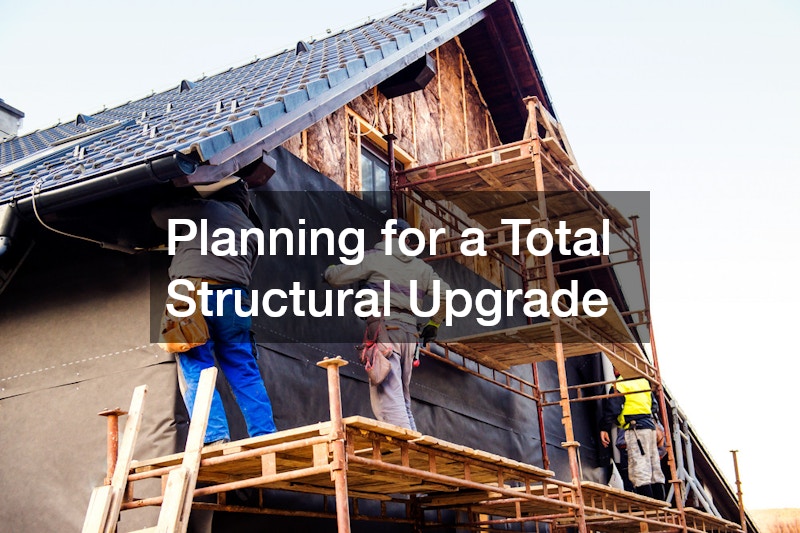
A complete replacement is a major construction project that impacts the entire household’s daily routine. To minimize stress, talk with your family beforehand about what to expect during the tear-off phase. The process is incredibly loud, as old materials are pried away from the wooden deck, so consider planning daytime outings for young children or sensitive pets. Make sure your vehicles are parked safely down the street to clear space for heavy disposal dumpsters and to avoid stray nails falling in your driveway.
When organizing a project of this scale, it is vital to partner with a fully licensed, bonded, and insured roofing contractor who provides comprehensive workmanship warranties. A proper roof install requires stripping the structure completely down to the bare wood deck, replacing any rotted plywood sheets, and laying down modern synthetic underlayments for multi-layered water protection. This thorough approach dramatically increases your property value, optimizes your home’s thermal efficiency, and gives your family a lifetime of reliable security.
5. Investing in Durable, Eco-Friendly Materials
Metal is rapidly becoming a premier choice for premium residential properties due to its unparalleled longevity. While an asphalt roof might need to be replaced twice over a forty-year span, high-quality metal systems can easily last for fifty to seventy years with minimal maintenance. These systems are completely non-combustible, offering superior fire protection against flying embers from nearby wildfires. Furthermore, they are exceptionally lightweight, reducing the structural stress placed on your home’s load-bearing walls.
From an environmental and financial standpoint, a professional metal roof installation delivers massive ongoing returns. These systems are highly reflective, bouncing radiant solar heat away from your house during scorching summer months, which can slash your household’s monthly air conditioning expenses by up to twenty-five percent. Additionally, because these premium materials are completely recyclable at the end of their long lifespan, they do not contribute to the millions of tons of asphalt shingle waste that fill local landfills every single year.
6. Expanding Your Family’s Outdoor Living Spaces
Constructing an overhead covering tied directly into your home’s existing structure is a complex engineering task that goes far beyond basic carpentry. The new structure must be carefully calculated to handle local wind uplift and heavy winter snow loads without compromising the structural integrity of your house. Improperly tying a new patio covering into your existing structure can create severe leaks along the junction line, leading to hidden rot inside your home’s exterior walls.
Because of these complexities, you should always partner with an experienced deck roof builder who understands the intricacies of structural load distribution, proper flashing, and local building codes. A true professional will ensure the new addition complements your home’s architectural style seamlessly. Once the structural framework is safely in place, you can integrate smart home amenities like low-voltage LED track lighting, heavy-duty weather-resistant ceiling fans, and outdoor sound systems to create the ultimate backyard oasis.
7. Understanding the Value of Regional Architectural Expertise
Because environmental factors are so hyper-local, relying on generic online advice or out-of-town storm-chasing companies can leave your home vulnerable. True structural protection requires a deep understanding of local building traditions, regional microclimates, and specific municipal permit regulations. Experts who operate continuously within your specific community know exactly which materials perform best under local weather stressors and can design tailored solutions to protect your property.
When your home requires targeted maintenance or structural updates, working with local roofing services ensures you receive solutions tailored directly to your environment. These regional businesses have an established reputation to uphold within your community, making them highly accountable for the quality of their work. Whether you are dealing with minor wear or seeking a comprehensive structural assessment, a reliable local roofing repair team can diagnose vulnerabilities quickly and implement fixes that stand up to your area’s specific weather patterns.
8. Mastering Attic Ventilation and Insulation Balance
During hot summer months, a poorly ventilated attic can easily reach temperatures exceeding one hundred and forty degrees Fahrenheit. This intense radiant heat bakes your shingles from underneath, causing them to blister, warp, and degrade at an accelerated rate. In the winter, warm air rising from your living spaces carries moisture from cooking and showers into the cold attic. If this moisture cannot escape through proper ridge and soffit vents, it condenses into liquid water on the raw wooden rafters, promoting wood rot and mold.
To prevent these internal threats, a professional roofer can perform an advanced ventilation analysis to ensure your attic has a perfectly balanced intake and exhaust airflow system. Pair this proper ventilation with high-performance insulation to keep your living spaces comfortable while keeping the attic temperature close to the outdoor ambient air temperature. Taking the time to optimize this internal balance protects your roofing components from premature thermal failure, preserves your structural woodwork, and dramatically stabilizes your family’s year-round utility bills.
9. Choosing Licensed and Insured Professionals
When your home requires professional intervention, selecting a contractor based solely on the lowest price quote is an incredibly risky gamble. The residential construction industry is unfortunately flooded with unlicensed, unbonded operations that cut corners, use substandard materials, and disappear the moment a problem arises. Entrusting your home’s primary protective shield to an unverified contractor can leave you with a faulty installation, zero legal recourse, and a ruined household budget.
Before allowing any crew to step onto your property, demand to see physical proof of their current business license, comprehensive general liability insurance, and workers’ compensation coverage. General liability insurance protects your property and your neighbor’s property from accidental damage during the construction process. Workers’ compensation is even more critical because working at heights is inherently dangerous; if an uninsured laborer is injured on your property, you could be held legally and financially liable for their medical expenses.
A certified, reputable roofing contractor will always provide this documentation willingly, along with a list of verifiable local references and a clear, written contract detailing the exact scope of work. They use premium, name-brand materials and employ factory-trained installers, ensuring that your complete roof install qualifies for extended manufacturer warranties. Taking the time to thoroughly vet your service providers protects your family from financial scams and guarantees that the physical work performed on your home is completely safe and durable.
10. Navigating Long-Term Warranties and Documentation

The final step in smart home management is organizing the paperwork associated with your home’s exterior care. High-quality structural work often comes with two distinct types of warranties: a manufacturer’s material warranty and a contractor’s workmanship warranty. The manufacturer’s warranty covers defects in the physical shingles or metal panels themselves, while the workmanship warranty covers errors made during the actual physical installation process.
Smart homeowners know that maintaining these warranties requires strict compliance with specific guidelines. For example, many premium material warranties can be completely voided if the products are installed over an improperly ventilated attic or if a different brand of underlayment is used during construction. Keep a dedicated home maintenance binder or secure digital folder containing every single document related to your exterior care, including itemized contracts, material receipts, proof of professional cleanings, and formal inspection reports.
If your home ever needs a complex upgrade, such as a specialized metal roof installation, having a pristine paper trail is invaluable. This organized documentation proves to future buyers that the home has been meticulously cared for, significantly boosting your resale value. Furthermore, if you ever need to hire a specialized deck roof builder to expand your living space later on, having your original structural plans readily available allows them to integrate the new additions perfectly without disrupting your existing warranties.
Managing a family home intelligently requires looking beyond daily chores and focusing on the long-term health of your property’s structural core. Your roof works tirelessly every second of the day, shielding your loved ones from torrential rains, blistering sun, and freezing snow. By committing to regular visual inspections, prioritizing gentle cleaning methods, reacting swiftly to storm damage, and partnering exclusively with verified, licensed professionals, you transform home maintenance from an intimidating chore into an empowering habit.
Investing time and resources into proactive care pays massive dividends in the form of lowered utility bills, minimized emergency stress, and significantly enhanced property value. More importantly, it provides the priceless assurance that your home will remain a safe, dry, and secure haven for your family to grow in for generations to come. Start this weekend by taking a walk around your yard with a pair of binoculars; a few minutes of attentive observation today can safeguard your family’s sanctuary for all the tomorrows to follow.