Creating a Home That Truly Works for You

Your home should support your life, not complicate it. When a space no longer reflects your needs, it can feel frustrating and disconnected. The layout may not flow well. Storage might be lacking. Comfort could be inconsistent. Over time, small inconveniences begin to add up.
The good news is that meaningful improvements do not require a total rebuild. Strategic updates can transform how your home feels and functions. Whether you are enhancing comfort, increasing efficiency, or refining aesthetics, each thoughtful change brings your space closer to supporting your goals.
Below are twelve practical ways to evaluate and improve your home so it aligns with how you truly live.
Designing Spaces That Reflect Your Lifestyle
Every upgrade should start with one question: How do you actually live in your home?
Some families gather nightly around shared entertainment. Others prioritize quiet workspaces or multifunctional rooms. When upgrades are rooted in lifestyle rather than trends, they feel purposeful.
If movie nights or immersive gaming are important in your household, investing in a professional home theater install can dramatically enhance sound clarity, lighting control, and visual quality. A properly planned system integrates cleanly into your design without clutter.
For homeowners planning larger renovations or custom builds, working with a trusted luxury home builder allows layout decisions to reflect daily habits from the beginning. Custom storage, smart traffic flow, and intentional lighting create spaces that feel natural rather than forced.
Pay attention to friction points. Are pathways crowded? Does your kitchen feel cramped during gatherings? Do you lack privacy for focused work? Thoughtful design solves these problems quietly.
When a home reflects how you live — not just how it looks — it becomes a place that supports your routines instead of interrupting them.
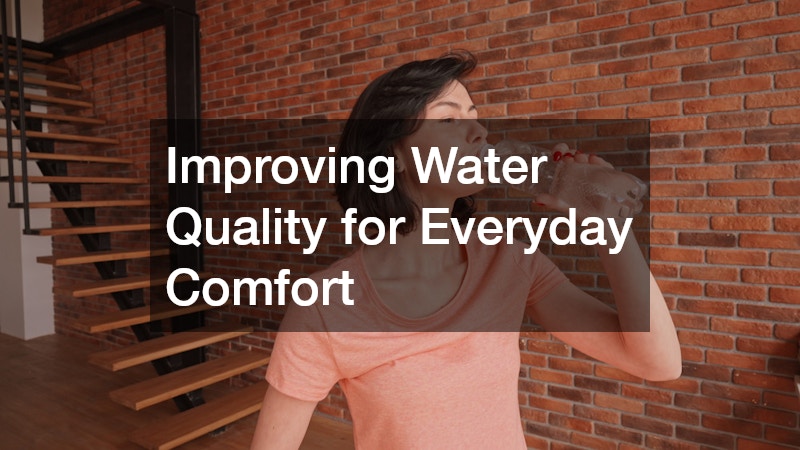
Improving Water Quality for Everyday Comfort
Water affects more than drinking and cooking. It influences skin comfort, appliance longevity, and even how clean your home feels.
Hard water leaves residue on fixtures, dries out skin, and reduces efficiency in washing machines and dishwashers. Installing properly sized water softener systems can minimize mineral buildup and improve overall household performance.
Beyond comfort, water conditioning protects plumbing infrastructure. Mineral deposits accumulate gradually, narrowing pipes and straining appliances. Addressing the issue early prevents costly repairs later.
Water quality also impacts fabric softness and soap effectiveness. Laundry feels cleaner. Showers feel smoother. Small changes in water treatment create noticeable differences in daily comfort.
Before installing equipment, test your water. Understand hardness levels, sediment content, and flow demands. Tailoring solutions to your specific needs ensures lasting results.
Water touches nearly every system in your home. Improving it quietly enhances comfort in ways you may not initially expect.
Creating Outdoor Spaces That Invite You Outside
Your outdoor area should feel like an extension of your interior space, not an afterthought.
Thoughtful planning with professional landscape design services can transform underused yards into inviting environments. Proper grading, plant selection, and lighting improve both aesthetics and usability.
Shade, seating, and natural pathways create flow and encourage time outdoors. When designed intentionally, patios and gardens become functional gathering spaces.
Even small yards benefit from purposeful planning. Vertical gardens, layered planting, and structured hardscaping maximize visual impact without overwhelming space.
Outdoor improvements also contribute to property value. Clean lines, balanced greenery, and durable materials signal care and intention.
When your exterior feels welcoming, you naturally spend more time outside — which enhances relaxation, connection, and enjoyment of your property.
Managing Light for Comfort and Efficiency
Light has a powerful influence on how your home feels throughout the day. It affects temperature, mood, energy usage, and even the way colors appear inside your space. Too much direct sunlight can create glare, heat buildup, and fading furniture. Too little natural light can make rooms feel smaller and more confined. Finding the right balance is key to creating a comfortable and efficient environment.
One of the most effective ways to manage sunlight is by installing high-quality exterior window shades. These shades reduce harsh glare while still allowing filtered natural light to brighten the room. By blocking direct heat before it enters the home, they help maintain more consistent indoor temperatures, especially during warmer months.
Strategic light control also lowers energy consumption. When excessive sunlight raises indoor temperatures, air conditioning systems must work harder to compensate. Proper shading reduces that strain, improving overall cooling efficiency. Over time, this can lead to measurable savings on utility bills while extending the lifespan of HVAC systems.
Beyond cost and temperature benefits, light management improves daily comfort. Softer, diffused light creates calming spaces ideal for relaxing, reading, or working. Rooms feel inviting instead of overwhelming. Bedrooms become more restful when early morning glare is controlled, while living areas feel more balanced throughout the day.
Evaluate each room based on its orientation. South- and west-facing windows typically receive the most intense afternoon sunlight, which often requires stronger shading solutions. North-facing rooms may benefit from lighter filtering options that maintain brightness without darkening the space unnecessarily. Thoughtful placement ensures each room achieves balance without sacrificing natural light.
Interior design also plays a role in maximizing light efficiency. Reflective surfaces such as mirrors, lighter wall colors, and strategically placed décor can enhance brightness without increasing heat exposure. Combining exterior shading with interior design adjustments creates a cohesive strategy that supports both comfort and energy performance.
When you manage light intentionally, your home becomes more livable in every season. Instead of reacting to glare or overheating, you create a stable environment that feels comfortable year-round.
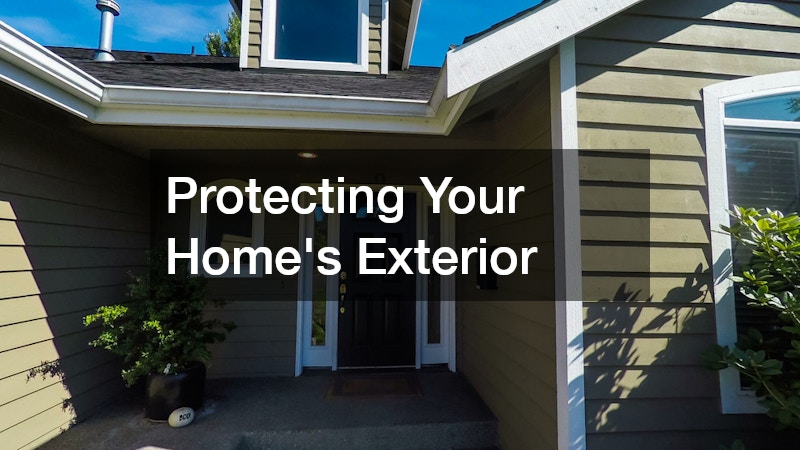
Protecting Your Home’s Exterior
While interior comfort is essential, the exterior of your home is your first line of defense against weather and wear. It protects everything inside while shaping the first impression visitors and neighbors see. Investing in durable exterior materials improves both longevity and visual appeal.
Upgrading to high-quality vinyl siding offers a balance of durability and low maintenance. Modern siding options are designed to withstand harsh weather conditions, resist fading, and maintain structural integrity over time. Advances in insulation backing also contribute to improved thermal performance, helping regulate indoor temperatures.
Exterior materials endure constant exposure to wind, rain, humidity, and fluctuating temperatures. Without proper protection, moisture infiltration can lead to mold growth, wood rot, and costly structural repairs. Durable siding acts as a barrier, shielding framing and insulation from long-term damage.
Curb appeal is another important factor. Clean lines, consistent color, and well-maintained materials communicate care and attention. A refreshed exterior elevates the overall presentation of your home, whether you plan to stay long-term or eventually sell.
Climate conditions should guide material selection. Homes in humid regions may require enhanced moisture resistance. Areas prone to strong winds benefit from reinforced installation methods. Understanding environmental demands ensures your investment performs as expected.
Routine inspections are equally important. Checking for cracks, warping, or loose panels allows small issues to be addressed before they escalate. Exterior maintenance is not just about appearance — it is about preserving the structural health of the entire home.
A well-maintained exterior protects your investment and strengthens the foundation of everything inside. When your home’s outer shell is secure and resilient, you gain peace of mind along with lasting visual appeal.
Maintaining Essential Systems Proactively
Some of the most important home systems operate quietly in the background. Because they are out of sight, they are often out of mind — until a problem arises. Proactive maintenance prevents unexpected disruptions and protects long-term property value.
For homes with septic systems, routine septic tank pumping is essential. Over time, solid waste accumulates in the tank and must be removed to prevent overflow or backup. Neglecting this maintenance can lead to unpleasant odors, slow drains, and expensive emergency repairs.
The frequency of pumping depends on household size, water usage, and tank capacity. Larger households typically require more frequent service. Scheduling inspections at consistent intervals ensures the system continues operating efficiently without interruption.
Preventive maintenance protects more than plumbing. It safeguards surrounding soil and groundwater from contamination. Addressing issues early prevents larger environmental and structural consequences.
Beyond septic systems, other essential components deserve regular attention. HVAC systems benefit from filter changes and seasonal inspections. Water heaters should be flushed periodically to remove sediment buildup. Electrical panels require occasional review to ensure safe operation.
The principle remains the same across all systems: address small concerns before they become major failures. Emergency repairs are almost always more disruptive and expensive than scheduled maintenance.
Keeping detailed records of service dates and recommendations helps maintain consistency. A proactive approach minimizes inconvenience and extends the lifespan of critical systems.
When essential components are maintained properly, your home functions smoothly without surprise breakdowns. Quiet reliability allows you to focus on living comfortably rather than reacting to unexpected problems.
Investing in Quality Interior Furnishings
Furniture shapes how your home feels and functions.
Working with an established amish furniture company provides access to handcrafted pieces built for durability. Solid wood construction withstands daily use far better than mass-produced alternatives.
Quality furnishings offer long-term value. Instead of replacing pieces every few years, you invest once in timeless construction.
Choose designs that balance beauty and practicality. Storage features, durable finishes, and adaptable styles ensure longevity.
Well-made furniture supports comfort while elevating the aesthetic of your home.
Ensuring Reliable Heating Performance
Comfort depends on consistent indoor temperature.
Professional furnace services ensure systems operate efficiently and safely. Routine maintenance improves airflow and prevents unexpected breakdowns.
Heating systems require periodic inspection. Dust accumulation, worn components, and outdated parts reduce performance.
Regular servicing extends equipment lifespan and maintains energy efficiency.
Reliable heating creates a stable environment for relaxation and productivity.
Elevating Bathroom Design with Smart Updates
Bathrooms may not be the largest rooms in your home, but they carry tremendous daily impact. They shape how your mornings begin and how your evenings wind down. When a bathroom feels dated, cramped, or difficult to maintain, it quietly affects comfort and routine.
One of the most effective updates is installing a modern glass shower door. Unlike traditional curtains or bulky framed enclosures, a sleek glass shower door creates openness and allows natural light to flow throughout the space. This instantly makes even smaller bathrooms feel larger and more refined.
Beyond aesthetics, upgraded materials reduce long-term maintenance. Properly sealed glass helps prevent excess moisture from escaping onto flooring and walls, which lowers the risk of mold buildup and structural damage. Over time, this preserves both the appearance and integrity of the room.
Smart updates also include improved ventilation, updated faucets, layered lighting, and durable flooring. These changes enhance daily usability while reducing maintenance needs. Even modest refinishing — such as fresh paint or upgraded hardware — can dramatically shift the overall feel of the room.
Thoughtful bathroom improvements are not about extravagance. They are about comfort, cleanliness, and daily functionality. When done intentionally, these updates elevate both form and experience.
Improving Storage Without Expanding Square Footage
A lack of storage can make any home feel smaller than it truly is. However, square footage is often not the problem. The real issue is inefficient use of available space.
Before considering structural additions, evaluate how storage functions in each room. Vertical wall space is frequently underutilized. Floating shelves, mounted cabinets, and tall built-ins maximize capacity without crowding floors. Multifunctional furniture — such as storage ottomans or drawer-integrated beds — improves usability without adding bulk.
In living areas and bedrooms, investing in long-lasting furnishings from a trusted amish furniture company can provide durable storage solutions that blend seamlessly into your design. Solid construction ensures longevity while offering hidden compartments and practical layouts.
Closets often benefit from reconfiguration. Adjustable shelving, compartmentalized drawers, and labeled containers increase accessibility. Kitchens improve dramatically with pull-out organizers and vertical dividers for trays and cookware.
Garages and utility spaces also deserve attention. Overhead racks and wall-mounted systems prevent clutter from accumulating on the floor.
Effective storage reduces stress. When every item has a designated place, daily routines flow more smoothly. Cleaning becomes easier. Searching for misplaced belongings becomes rare.
Improving storage is about thoughtful organization, not expansion. When systems are designed with intention, your home feels more spacious without adding a single new wall.
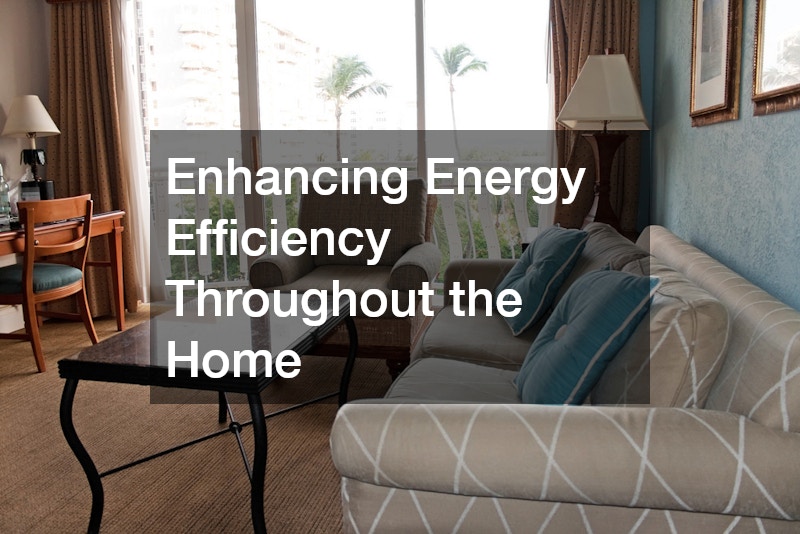
Enhancing Energy Efficiency Throughout the Home
Energy efficiency impacts both comfort and cost. A well-sealed, properly insulated home maintains stable indoor temperatures while reducing monthly expenses.
Begin by addressing air leaks. Small gaps around windows, doors, and vents force heating and cooling systems to work harder. Sealing these areas with proper materials prevents conditioned air from escaping. Insulation upgrades in attics and crawl spaces further improve temperature consistency.
Heating systems deserve regular evaluation as well. Scheduling professional furnace services ensures equipment operates safely and efficiently. Routine maintenance reduces breakdown risks while maintaining airflow and energy performance.
Lighting and appliance upgrades also contribute to measurable improvements. LED bulbs consume less electricity while maintaining brightness. Energy-efficient appliances reduce long-term consumption and strain on home systems.
Monitoring usage patterns helps identify opportunities for further optimization. Many homeowners discover inefficiencies simply by reviewing monthly utility data.
Efficiency improvements compound over time. A properly maintained system, sealed structure, and upgraded components create a home that operates intelligently.
Rather than viewing efficiency as a one-time project, approach it as an ongoing strategy. Each thoughtful adjustment strengthens long-term performance and enhances daily comfort.
Planning Improvements with Long-Term Vision
Home upgrades should be guided by strategy, not impulse. Quick decisions often lead to mismatched materials, budget overruns, or unnecessary repairs later.
Start by identifying priorities. Which areas disrupt your daily routine? Which systems show signs of wear? Addressing high-impact concerns first ensures resources are used wisely.
Create a phased improvement plan. Breaking projects into manageable stages allows you to maintain financial stability while steadily upgrading your home. Budget realistically and include contingency reserves for unexpected expenses.
Exterior protection should also factor into long-term planning. Durable materials such as quality vinyl siding enhance weather resistance and reduce maintenance demands. Investing in protective exterior upgrades prevents costly structural damage in the future.
Think beyond aesthetics. Evaluate durability, maintenance requirements, and overall lifespan of materials. High-quality installations often cost more initially but reduce replacement frequency.
Keep detailed records of warranties, service schedules, and product information. Organized documentation simplifies future renovations and protects your investment.
Strategic planning transforms improvement projects into purposeful progress. Instead of reacting to issues as they arise, you guide your home’s evolution thoughtfully.
Bringing It All Together
A well-designed home is not defined by trends or square footage. It is defined by how effectively it supports your routines, comfort, and long-term goals.
Bathroom refinements enhance daily relaxation. Improved storage creates clarity and order. Energy efficiency reduces costs while increasing performance. Strategic planning ensures every decision serves a purpose.
When improvements are intentional, your home evolves in harmony with your lifestyle. Small upgrades accumulate into meaningful transformation.
Your home should work for you — not require constant correction. With careful evaluation, steady planning, and thoughtful execution, you create a space that supports your life today and continues to do so for years to come.