What to Do When Your Garage Door Spring Breaks
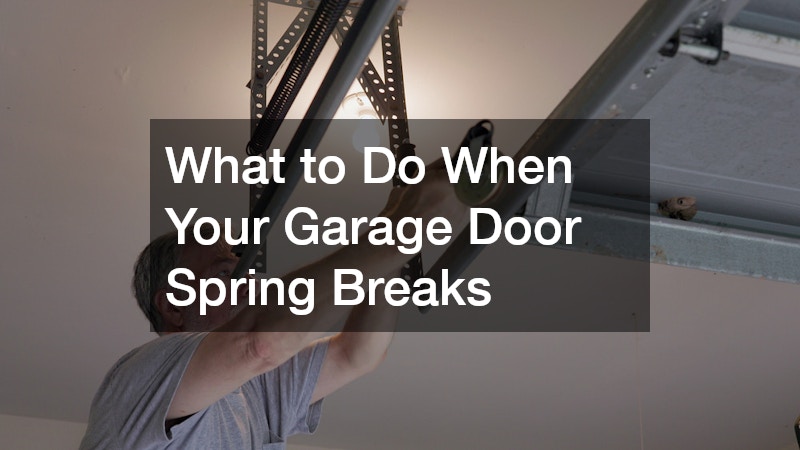
An unexpected garage door spring break can disrupt your daily routine, pose safety risks, and leave your home less secure. Garage door springs play a critical role in lifting and lowering the door smoothly, and when one fails, the entire system is affected. Understanding what to do in this situation is crucial for protecting your safety and preventing additional damage. This article explores critical steps to take when faced with this common household issue and helps you decide the best course of action.
How to Identify a Broken Spring
Visible Signs of Spring Damage
One of the easiest ways to identify a broken garage door spring is through visual inspection. Springs are typically located above the garage door opening or along the tracks on either side.
If you notice a visible gap in the spring, rust buildup, or a spring that appears stretched or snapped, it is likely broken. In many cases, a broken torsion spring will split into two pieces, making the damage obvious.
Unusual Noises from the Garage Door
A loud bang or snapping sound coming from the garage is another common indicator of a broken spring. This noise often occurs at the moment the spring fails and can sound similar to a firecracker or a heavy object falling. If you hear this type of noise and notice your garage door is not functioning properly afterward, a spring failure is a strong possibility.
Impaired Garage Door Operation
When a spring breaks, the garage door may become extremely heavy and difficult to lift. You might find that the door only opens a few inches or does not open at all. In some cases, the opener may struggle, strain, or stop working entirely. These operational issues are clear signs that the spring is no longer doing its job.
Is It Safe to Open or Close a Garage Door with a Broken Spring?
Understanding the Risks Involved
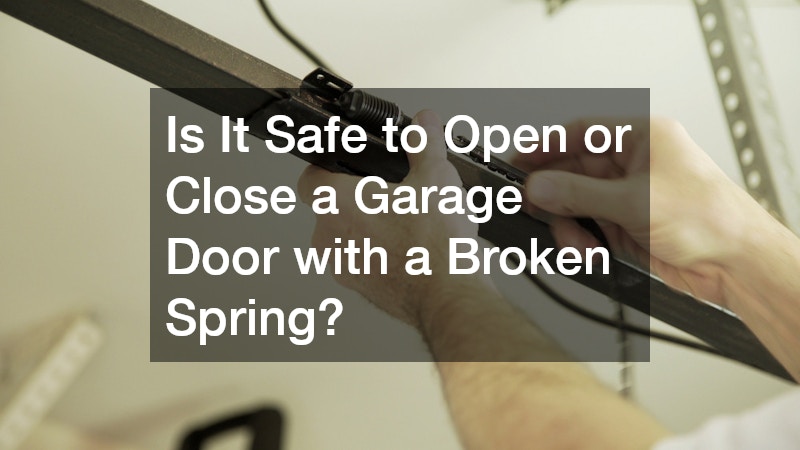
Operating a garage door with a broken spring can be dangerous. Springs counterbalance the weight of the door, which can weigh hundreds of pounds. Without this support, the door can slam shut unexpectedly or place excessive strain on the opener. This increases the risk of injury, property damage, and further mechanical failure.
Emergency Release Mechanism
Most garage doors are equipped with an emergency release mechanism that allows you to disconnect the door from the opener. While this feature can be helpful during power outages, using it with a broken spring should be done cautiously. Manually lifting a door without spring support can be extremely difficult and risky. If you must use the emergency release, ensure another adult is present to assist and keep clear of the door’s path.
Safety Precautions to Consider
If you suspect a broken spring, stop using the garage door immediately. Keep children and pets away from the area, and avoid standing under the door. Disconnect the opener to prevent accidental activation. Wearing protective gloves and eye protection is also recommended if you need to inspect the door or surrounding components.
DIY Repairs vs. Professional Services
Pros and Cons of DIY Repairs
Some homeowners consider repairing a garage door spring themselves to save money. While DIY repairs may seem cost effective, they come with significant risks. Garage door springs are under high tension, and improper handling can lead to serious injuries. On the positive side, DIY repairs may offer quicker resolution for those with mechanical experience, but the potential dangers often outweigh the benefits.
Complexity and Tools Required
Replacing a garage door spring requires specialized tools, precise measurements, and a thorough understanding of the system. Torsion springs, in particular, demand careful winding and adjustment. Without the proper equipment and training, attempting a repair can result in incorrect installation or further damage to the door and opener.
When to Call a Professional
Calling a professional is often the safest and most reliable option. Trained technicians have the experience and tools needed to replace springs correctly and safely. They can also inspect other components to ensure the entire system is functioning properly. Professional services help reduce the risk of injury and provide peace of mind that the repair is done right.
Addressing a broken garage door spring promptly can help prevent further damage and maintain household safety. Ignoring the issue or attempting unsafe repairs can lead to costly consequences and potential injuries. Whether opting for DIY repairs or hiring professionals, understanding the risks, procedures, and best practices ensures a timely and effective resolution. By taking the right steps, you can restore your garage door’s functionality and keep your home secure.