Smart Tips for Organizing a Move Without Stress

Moving is one of those life transitions that asks you to juggle logistics, emotions, finances, schedules, and expectations all at once. Even if you’re excited about the change ahead, the sheer number of tasks can make the entire process feel overwhelming. You’re sorting through years of belongings, coordinating people, keeping an eye on your budget, and trying to make decisions that will affect your daily comfort for months — maybe even years — after you arrive in your new home.
Creating a Realistic Moving Timeline
A clear timeline is the backbone of any smooth transition. Without it, even simple responsibilities pile up unexpectedly and create stress in the final days. When you map everything out from the moment you decide to move until the day you’re fully settled, you create structure — and structure turns a complicated process into something predictable and manageable.
Start by working backward from your move-in date. Identify major milestones: when to give notice, when to begin packing non-essential items, when utilities need to be transferred, and when your current home needs final cleaning. Add deadlines for purchasing supplies, confirming helpers, and arranging transportation. The more detail you include, the fewer unpleasant surprises you’ll face later.
A timeline should also account for temporary needs. Maybe you’ll need to store items for a short period or gradually move them out of the home before closing. In these situations, storage services can keep belongings safe and out of the way while you prepare. With those items secured, you can clean, repair, or stage your home without constantly shifting boxes from room to room.
Be realistic with your expectations. Build cushion time into every stage because life rarely follows a perfect schedule. Weather delays, paperwork issues, or unexpected repairs can easily throw things off. When your plan already includes flexibility, these setbacks don’t derail the entire process.
Most importantly, a timeline helps you stay calm. Instead of constantly wondering what you forgot, you can reference your plan and move step-by-step with confidence. This sense of control is one of the most powerful benefits of thoughtfully organizing a move, and it sets the tone for everything that follows.

Decluttering and Deciding What Truly Matters
Create three destinations for every item: keep, donate, or discard. Items in good condition that you simply don’t need anymore can be a blessing to someone else. Broken, outdated, or unusable belongings can be responsibly recycled where possible. What remains should be things that genuinely support your current lifestyle — not objects you’re keeping out of habit or guilt.
This is also the time to think about what will be easiest to handle on moving day. Heavy furniture, oversized rugs, and awkwardly shaped pieces all require extra effort. If those items don’t add value to your life anymore, consider replacing them later instead of paying to transport them now. Many families discover that simplifying before relocation leads to a home that feels lighter, fresher, and easier to maintain.
Professional moving services can become even more efficient when you have fewer boxes to manage. They spend less time loading and unloading, which may reduce both stress and cost. And emotionally, decluttering helps you release the past and focus on the next chapter with clarity.
This stage plays a huge role in successfully organizing a move, because every item you remove from the process eliminates one more decision you’ll have to make later.
Choosing Help and Building a Support System
Begin by assessing the scope of your move. Are you relocating across town or across the state? Do you have a large household, heavy furniture, or fragile items requiring special care? Once you understand the scale, you can decide where to involve trained assistance and where volunteers can reasonably chip in.
Trusted local movers can be invaluable for households that want an efficient, well-coordinated day without risking injury or damage. These professionals are used to navigating tight stairways, protecting walls, and securing items for transport. They also carry insurance, which adds a layer of peace of mind. Instead of worrying about logistics, you get to focus on supervising and answering questions.
When asking friends or relatives for help, be clear about expectations. Let them know when to arrive, what to bring, and what tasks you’ll need covered. Provide snacks, water, and breaks to show appreciation. Clear communication prevents misunderstandings and helps maintain goodwill during a potentially stressful time.
Ultimately, prioritizing help is a foundational part of organizing a move. It ensures you stay focused on decisions and oversight instead of exhausting yourself with every physical task.

Understanding Your Options for Extra Hands
Not every relocation requires full-service labor, and not every household wants to manage everything alone. There’s a middle ground designed for people who need muscle without the added cost of extensive equipment or transport packages.
That middle ground often comes in the form of labor only moving services, where trained professionals handle loading and unloading while you manage the truck, scheduling, and driving. This arrangement works especially well for budget-conscious moves or situations where you already have access to transportation.
With this option, you still gain expertise in lifting techniques, furniture disassembly, and packing strategies — all without paying for services you don’t need. It’s particularly helpful if you’re comfortable planning logistics but want to avoid physical strain or potential injury. Exploring these different support levels is another smart element of organizing a move, because it lets you control both your budget and your workload without sacrificing safety.
Preparing Your Home for a Smooth Transition
Start by creating a room-by-room checklist. Identify minor repairs, touch-ups, and clean-ups that need to happen before you hand over the keys. Fix loose cabinet handles, patch small nail holes, and make sure appliances are in good working order if they’re staying with the home. Landlords and buyers alike appreciate a space that feels well-maintained.
Schedule cleaning strategically. Once most belongings are packed or removed, it becomes much easier to deep clean floors, baseboards, and closets. Consider hiring carpet cleaning services if your flooring has seen heavy traffic over the years. Fresh, stain-free carpets can help you recover a security deposit or leave a better impression on new owners.
Meanwhile, prepare your new home ahead of time whenever possible. Label rooms on a printed layout, measure doorways, and decide where large furniture pieces will go. Knowing those details in advance shortens unloading time and prevents unnecessary rearranging later.
Clear path routes, protect doorframes with padding, and lay down temporary floor coverings to guard against scuffs and dirt. Preparation like this not only protects property but also keeps helpers safer as they carry heavy loads.
Thoughtfully reading both spaces shows just how powerful good planning can be when you’re organizing a move. It minimizes conflict, reduces cleaning stress, and allows you to begin your next chapter in a space that already feels cared for.
Managing Logistics on the Road and Beyond
Begin with a realistic estimate of how much space your belongings will require. Too small a truck leads to multiple trips and unnecessary stress; too large and you pay for room you don’t need. Many rental companies provide sizing charts, but walking through your home with an inventory list gives you the most accurate picture.
Weather and distance deserve careful thought as well. For household relocations that cover significant mileage, planning resembles a small road trip. You’ll want snacks, emergency supplies, maps or navigation apps, and confirmation that your vehicle is fully serviced.
In situations that involve long distance moving, map out rest stops and overnight stays if necessary. Keep essential documents — identification, contracts, medication lists, and emergency contacts — easily accessible rather than buried in boxes. Think ahead about pet accommodations and ensure everyone traveling has what they need for comfort and safety.
Stay flexible. Traffic delays, detours, or mechanical issues can arise unexpectedly. A backup plan prevents panic. Keep important phone numbers on hand, including towing services, roadside assistance, and contact information for those expecting you at the destination.
The more thoroughly you prepare for travel, the less uncertainty you’ll experience. Logistic clarity like this makes organizing a move smoother, safer, and ultimately less exhausting.
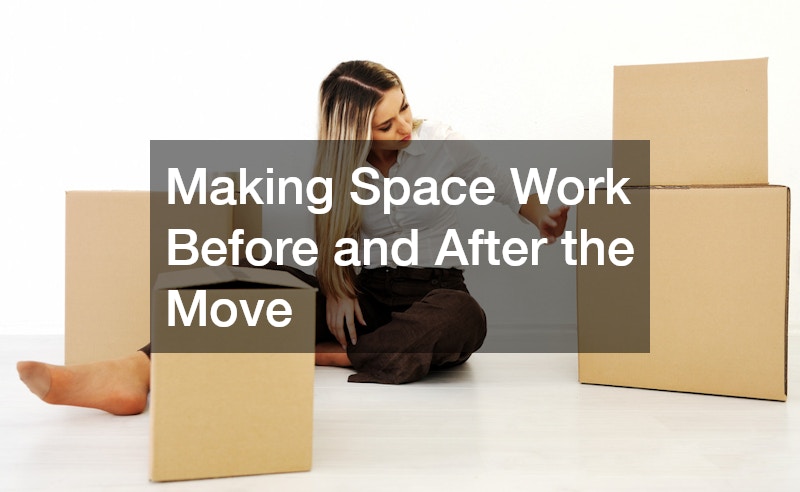
Making Space Work Before and After the Move
Families with larger outdoor equipment — boats, campers, or hobby vehicles — often struggle to find secure accommodations during transitions. Leaving these items parked on the street isn’t always safe or permitted. In such cases, recreational vehicle storage provides a monitored, designated environment until you’re fully established elsewhere.
Temporary storage is also useful when renovations are scheduled at your new address. Keeping extra furniture out of the way allows contractors to work more efficiently and keeps belongings free from dust and damage. You can gradually reintroduce items once each room is complete.
Think through how this affects unpacking as well. When everything arrives at once, you may feel pressured to rush the process, leading to poorly organized spaces. But when belongings are introduced in phases, you can design your layout intentionally and discard any items that no longer fit your vision.
This strategic pacing is a helpful mindset while organizing a move. Instead of forcing your new life together in one frantic weekend, you build it carefully and thoughtfully.
Planning for Comfort and Convenience During Transition
Relocation sometimes means living without fully functional bathrooms, kitchens, or utilities for short periods — especially if you’re remodeling, cleaning deeply, or hosting a large crew of helpers. Thinking ahead about temporary accommodations can make those days far more comfortable.
A practical solution in certain situations is arranging a bathroom trailer rental for events like multi-day packing sessions, property cleanouts, or outdoor-focused moves. These trailers provide sinks, toilets, and sometimes even climate-controlled interiors, giving everyone a hygienic place to freshen up without repeatedly tracking dirt through the home.
Comfort matters more than people often realize. When basic needs are met, tempers stay calmer, productivity increases, and the day feels less chaotic. Rather than rushing through tasks simply to get relief, helpers can take measured breaks and continue working efficiently.
Considering these supportive resources is another subtle but powerful part of organizing a move. You’re not just relocating your belongings — you’re supporting the people who make the transition possible.

Managing Debris and Excess Materials Responsibly
Packing, cleaning, and preparing for relocation inevitably produce more waste than usual. Broken furniture, outdated electronics, scrap materials, and piles of cardboard can quickly overwhelm curbside collection limits. Planning for disposal ahead of time prevents clutter from taking over your driveway or garage.
A smart solution for larger projects is arranging residential dumpster rental for a short period. With a container onsite, you can toss debris as you go instead of stacking it in corners and dealing with it later. This approach keeps pathways clear, improves safety, and allows you to finish each area completely before moving on to the next.
Be mindful of what can and cannot be placed in a dumpster. Hazardous materials, paints, chemicals, and certain appliances may require special handling. Reach out to local recycling centers to learn where those items should go. Donating usable goods remains an excellent option whenever possible.
As the cleanup process becomes streamlined, your property gradually transforms from chaotic to move-ready. Mentally, this creates a sense of progress and closure — an important emotional step.
Addressing waste management thoughtfully reinforces the overall theme of organizing a move: reducing stress by staying ahead of every detail rather than scrambling at the last minute.
Hauling, Staging, and Flexible Transport Solutions
Some relocations come with unique hauling needs that don’t fit neatly into a standard moving truck. Perhaps you’re transporting building materials, landscaping equipment, or bulky items that require open-air space. Flexibility becomes crucial in these scenarios.
A well-chosen utility trailer rental service can provide the adaptable transport you need without forcing you into more expensive options. These trailers handle awkward shapes, outdoor gear, or items you may want to access multiple times throughout the process. They’re also useful for post-move projects like home improvement or yard cleanups.
Incorporating versatile hauling options is one more strategic layer in organizing a move, ensuring that nothing about your relocation feels improvised or uncontrolled.
Moving doesn’t have to be a whirlwind of confusion and last-minute decisions. With intention, organization, and the right mix of supportive services, it can become a coordinated process that respects your time and your well-being. By setting timelines, decluttering thoughtfully, choosing appropriate help, preparing your spaces, planning logistics, and using specialized solutions when necessary, you gain control over an experience that often overwhelms people.