How to Find Reliable Local Metal Roofing Companies
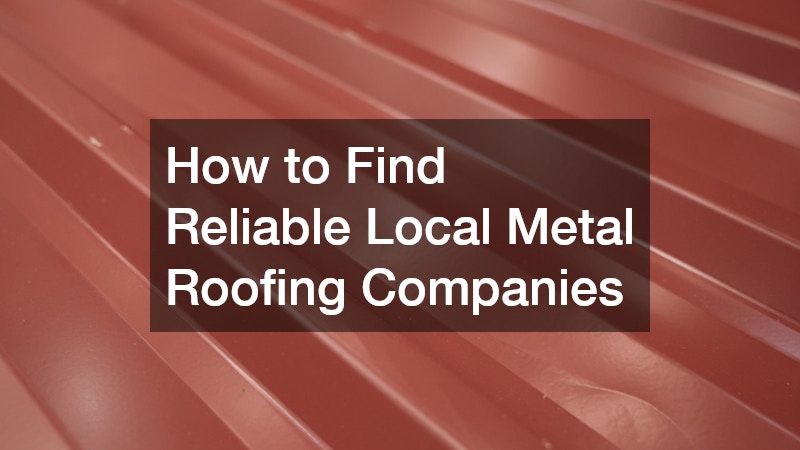
A roof replacement is one of the most significant investments you will ever make in your property. While traditional asphalt shingles have long been the standard, metal roofing has surged in popularity due to its incredible longevity, energy efficiency, and modern aesthetic. A properly installed metal roof can easily last 40 to 70 years, effortlessly weathering intense storms, high winds, and blistering summer heat.
However, the key phrase is “properly installed.” Metal roofing is a highly specialized trade.
The techniques, tools, and tolerances required for metal are vastly different from those used for shingles or tile. A single minor installation error can compromise the entire system, leading to structural leaks and a voided manufacturer warranty.
When looking to protect your home, choosing the right contractor is paramount. Use this guide to evaluate local metal roofing companies to ensure your project is executed with precision, safety, and transparency.
1. Prioritize Metal-Specific Experience Over General Roofing
Many general roofing contractors install asphalt shingles every single day but only tackle a metal roof a few times a year. This is a major red flag. Metal panels require specific mathematical allowances for thermal expansion and contraction, exact torque specifications for fasteners, and complex custom flashing details around valleys and chimneys.
-
Ask for a Dedicated Portfolio: Reliable local metal roofing companies should be able to show you a robust portfolio consisting exclusively of metal roofs they have completed in your immediate geographic area.
-
Look for Factory Certifications: Top-tier contractors often hold specialized certifications from major metal manufacturers (such as Sheffield Metals, McElroy Metal, or ATAS International). Manufacturer certification means the crew has been explicitly trained to install that specific system to engineering standards, which is often a prerequisite for securing a premium material warranty.
2. Verify State Licensing and Specialized Insurance
Before allowing a contractor to step foot on your property, you must confirm they are legally compliant and fully insured. Never accept a verbal confirmation; always request their state license number and a Certificate of Insurance (COI) sent directly from their insurance carrier.
3. Understand the Mechanics: Standing Seam vs. Exposed Fastener
A reliable local contractor will not just give you a single generic price; they will take the time to explain the mechanical differences between the two main types of metal roofing residential properties utilize:
Standing Seam Metal Roofs
This is the gold standard of metal roofing. The panels are fastened to the roof deck using concealed clips and interlocking seams. Because the fasteners are hidden beneath the metal surface, they are never exposed to rain, wind, or UV rays. This design virtually eliminates the risk of fastener-related leaks and allows the metal to expand and contract naturally as temperatures fluctuate.
Exposed Fastener Roofs (Ag-Panel / 5-V Crimp)
In these systems, the panels overlap and are screwed directly through the face of the metal into the roof deck. While this option is significantly more budget-friendly upfront, it requires thousands of exposed screws with rubber neoprene washers. Over a decade of harsh weather, these rubber washers inevitably degrade, crack, and require comprehensive maintenance or replacement to prevent leaks.
4. Demand Knowledge of Local Permits and Regional Wind Codes
Local building departments act as the Authority Having Jurisdiction (AHJ). Reliable local metal roofing companies will be deeply familiar with the exact building codes enforced in your municipality.
For example, coastal and hurricane-prone regions require strict adherence to high-velocity wind codes, specific panel gauge thicknesses (typically 24 or 26-gauge steel), and exact fastening schedules. A reputable contractor will handle the entire permitting process via your local city or county building portal, submit the required statewide product approval forms, and coordinate the necessary municipal structural inspections (such as the roof deck/dry-in inspection and the final structural sign-off).
5. Insist on a Detailed, Itemized Written Estimate
A vague estimate that simply reads “Replace roof with metal – $22,000” is a recipe for hidden fees, disputes, and stress. A professional proposal from a reputable local contractor will explicitly itemize every single component of the scope of work.
Make sure your written agreement explicitly details:
-
The exact metal panel type, manufacturer, thickness (gauge), and paint finish type (such as a Kynar 500/PVDF coating).
-
The removal and disposal of old roofing materials (tear-off scope).
-
The specific type of underlayment to be used (high-temperature synthetic underlayment is mandatory under metal roofs to prevent melting and sticking).
-
A clear clause detailing how unexpected rotten wood decking will be priced per sheet if discovered during the tear-off phase.
-
An explicit breakdown of both the manufacturer’s material warranty and the contractor’s personal workmanship warranty.
Final Thoughts
Upgrading to a metal roof is a phenomenal way to protect your home, cut down on cooling costs, and elevate your property’s long-term curb value. However, the lifespan of the metal is ultimately entirely dependent on the hands that install it. By prioritizing specialized experience, demanding verifiable proof of licensing and insurance, and insisting on comprehensive job site transparency, you can partner with the right local professionals. Taking these extra vetting steps today ensures your home remains safely shielded from the elements for decades to come.