How to Avoid Unexpected Home Repair Emergencies This Year
A home rarely falls into disrepair all at once. Most major emergencies begin as minor annoyances: a strange noise in the attic, a damp spot near a window, a garage door that hesitates before opening, or an unexplained spike in utility bills. These warning signs often appear quietly, then worsen over time until they become expensive, stressful problems.
The challenge for homeowners is not simply reacting to emergencies when they happen. It is learning how to notice risks early enough to prevent those emergencies altogether. Preventive care may not feel urgent in the moment, but it protects your comfort, your finances, and your property value over the long term.
The good news is that avoiding costly surprises does not require professional-level expertise. A consistent maintenance routine, a little awareness, and a willingness to address small problems early can dramatically reduce the chances of sudden breakdowns throughout the year.
Creating Seasonal Inspection Habits Before Problems Escalate
Many homeowners only inspect their property after something goes wrong. Unfortunately, by the time visible damage appears, the underlying issue has often been developing for months.
A seasonal inspection routine changes that pattern. Instead of reacting to emergencies, you begin spotting vulnerabilities before they become expensive repairs.
Spring and fall are ideal times to walk through both the interior and exterior of your property. During these inspections, pay attention to areas where moisture, temperature shifts, and heavy usage tend to create wear over time.
Inside the home, look for:
- Water stains on ceilings or walls
- Cracks near windows and doors
- Uneven flooring
- Drafts around entry points
- Unusual odors near utility areas
Outside, inspect the condition of siding, gutters, walkways, fencing, and drainage paths. Even small pooling areas near the foundation can signal future structural concerns.
For larger homes or properties with aging systems, professional property maintenance services can help identify issues homeowners often miss. A trained eye may spot deteriorating flashing, improper drainage, or hidden moisture long before the damage becomes obvious.
The same principle applies outdoors. Neglected landscaping may seem cosmetic at first, but overgrown roots, poor grading, and unmanaged runoff can quietly affect foundations, fences, and underground utility lines.
Consistency matters more than perfection. A homeowner who performs brief inspections four times a year is far more likely to prevent emergencies than someone who waits until visible damage appears.
Preparing Your Home for Severe Weather and Power Interruptions
Storm-related emergencies have become increasingly common in many regions. High winds, freezing temperatures, lightning strikes, and prolonged outages can place enormous strain on a home’s systems.
One of the most overlooked vulnerabilities during severe weather is power reliability. Losing electricity for several hours can disrupt heating, refrigeration, medical equipment, and sump pumps. In some situations, a prolonged outage can even create secondary damage, such as frozen pipes or flooding.
A properly maintained home generator provides peace of mind during unpredictable weather events, but backup systems themselves require attention. Generators that sit unused for long periods may fail precisely when they are needed most.
Homeowners should periodically:
- Test the system under load conditions
- Replace old fuel when necessary
- Inspect electrical connections
- Schedule annual servicing
- Keep the surrounding areas clear of debris
Preparation also extends beyond backup power. Roof drainage systems should remain clear before major storms arrive, and outdoor furniture or branches that could become hazards during high winds should be secured early.
Some homeowners discover weaknesses only during emergencies. A family may learn their basement drainage system is inadequate after heavy rainfall has already flooded the lower level. Others realize too late that freezing temperatures exposed vulnerable plumbing areas that they never insulated properly.
Preventive preparation reduces both physical damage and emotional stress during extreme weather conditions.
Addressing Moisture Problems Before Structural Damage Appears
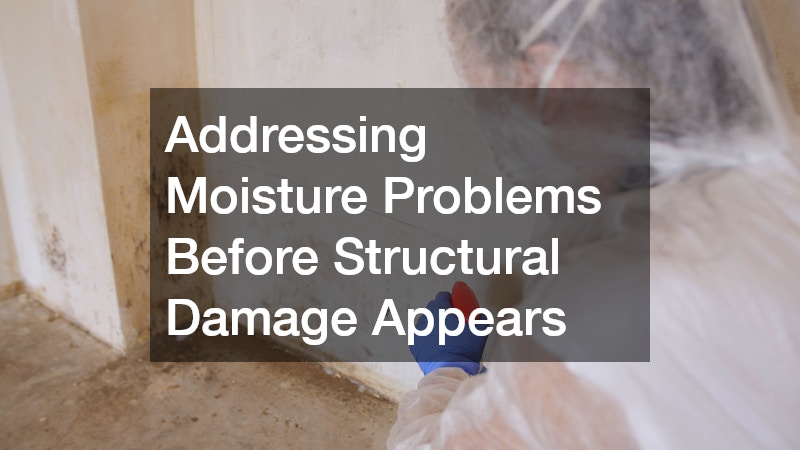
Water is one of the most destructive forces affecting residential properties. Unlike sudden emergencies, moisture damage often develops gradually and quietly.
A small leak in the attic may travel along beams before becoming visible on ceilings weeks later. Improper drainage near the foundation can slowly weaken structural materials without immediate warning signs.
One of the most important habits homeowners can develop is checking vulnerable moisture zones regularly. Attics, crawl spaces, basements, and window seals deserve close attention throughout the year.
Some warning signs include:
- Peeling paint
- Musty odors
- Bubbling drywall
- Soft wood around the trim
- Persistent condensation
Roofing systems deserve especially close monitoring after storms or seasonal temperature shifts. Missing shingles, damaged flashing, or clogged gutters may seem minor initially, but unresolved issues often lead to widespread interior damage.
Many homeowners postpone roof repair because the problem appears manageable from the ground. Unfortunately, delaying action frequently allows water intrusion to spread insulation damage, mold growth, and wood rot deeper into the structure.
Moisture problems rarely remain isolated. A small leak near the roofline can eventually affect electrical systems, ceilings, and wall framing throughout multiple rooms.
The earlier water issues are addressed, the easier and less expensive they typically are to resolve.
Keeping Heating and Cooling Systems Running Reliably
Heating and cooling systems often fail at the worst possible time. Furnaces tend to break down during freezing temperatures, while air conditioning systems struggle most during extreme summer heat.
In many cases, these failures are preventable.
Mechanical systems give warning signs long before complete breakdowns occur. The problem is that homeowners frequently normalize those signs or assume they are harmless.
A furnace that cycles constantly, produces uneven heating, or creates unusual noises may already be under strain. Dust buildup, restricted airflow, worn components, and neglected filters gradually reduce efficiency until the system can no longer operate properly.
Scheduling routine inspections before peak seasons helps identify problems early. Many technicians recommend servicing heating equipment in early fall and cooling systems in spring before demand spikes.
Homeowners should also pay attention to changes in energy usage. Sudden increases in utility bills may indicate the system is working harder than necessary to maintain the temperature.
An experienced HVAC contractor can often detect developing issues that homeowners would not notice themselves. Refrigerant imbalances, failing capacitors, airflow restrictions, and duct leakage may all contribute to declining performance over time.
Similarly, timely furnace repair can prevent a small mechanical issue from escalating into a full winter outage. Replacing a worn ignition component early is far less disruptive than losing heat during a freezing weekend.
Between professional visits, homeowners can reduce strain on HVAC systems by:
- Changing air filters consistently
- Keeping vents unobstructed
- Sealing drafts around windows and doors
- Maintaining clean outdoor condenser areas
- Monitoring thermostat performance
Comfort systems last longer when they operate efficiently rather than constantly compensating for preventable issues.
Preventing Water and Utility Emergencies Inside the Home
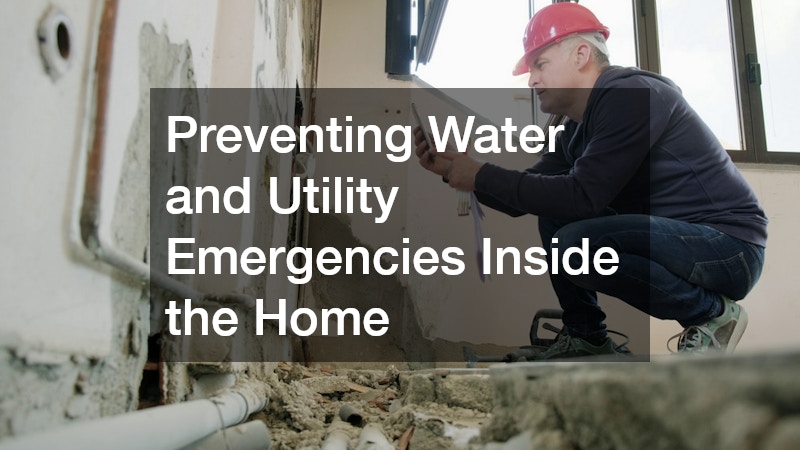
Some home emergencies unfold dramatically. Others begin with subtle clues that are easy to ignore.
A slight drop in water pressure. A faint odor near an appliance. A damp cabinet beneath the sink.
These details often signal developing plumbing or utility issues that deserve immediate attention.
One of the smartest things homeowners can do is learn where shutoff valves are located before an emergency occurs. In the middle of a burst pipe situation, every minute matters.
It is also important to understand how aging plumbing materials behave over time. Corrosion, mineral buildup, loose fittings, and temperature fluctuations all contribute to eventual failures.
Common warning signs include:
- Discolored water
- Slow drains
- Recurring clogs
- Water stains beneath fixtures
- Unexpected increases in water bills
A trusted plumbing company can help identify hidden leaks or pressure problems before they become severe enough to damage flooring, cabinets, or drywall.
Gas-related issues require even greater caution. Homeowners should never ignore unusual odors, hissing sounds, or dying vegetation near buried utility lines. Delaying gas line repair creates serious safety risks that extend beyond property damage alone.
Some emergencies escalate because homeowners attempt temporary fixes without understanding the root cause. A patched leak may continue damaging hidden areas for weeks if the underlying pressure issue remains unresolved.
Professional inspections are especially valuable in older homes where outdated piping materials or previous repair work may increase vulnerability.
Maintaining Safe and Reliable Garage Door Operation
Garage doors are among the most heavily used mechanical systems in many homes, yet they are rarely inspected until something stops working.
Because garage doors involve springs, tension systems, motors, and tracks operating together repeatedly, wear accumulates gradually over time. What begins as a slight vibration or delayed response can eventually become a dangerous malfunction.
One common mistake homeowners make is ignoring small operational inconsistencies. A garage door that closes unevenly or produces grinding noises is often signaling developing component stress.
Routine maintenance helps prevent unexpected emergency garage door repair situations that can leave vehicles trapped or compromise home security.
Homeowners should periodically inspect:
- Roller alignment
- Track stability
- Cable wear
- Sensor functionality
- Spring balance
Lubricating moving components and tightening loose hardware can extend system lifespan considerably. However, high-tension spring repairs should always be left to trained professionals due to the risk of serious injury.
The weather also affects garage door performance more than many people realize. Moisture, temperature swings, and humidity can cause expansion, rust, and material warping over time.
If the garage serves as a primary entry point, maintenance becomes even more important. A malfunction during severe weather or late-night emergencies can create unnecessary stress and safety concerns.
Reliable operation depends on consistent attention long before a total failure occurs.
Protecting Outdoor Areas From Gradual Deterioration
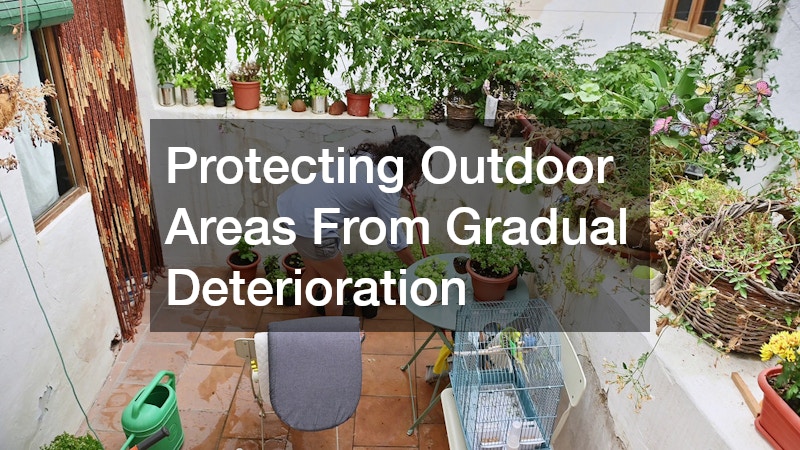
Exterior spaces often reveal the earliest signs of property neglect. Cracked pathways, standing water, leaning fences, and overgrown landscaping may appear cosmetic initially, but they frequently indicate larger maintenance concerns developing beneath the surface.
Outdoor upkeep is not simply about appearance. Proper lawn maintenance supports drainage, soil stability, pest control, and long-term property protection.
For example, clogged drainage paths or poorly directed runoff can gradually weaken foundations. Overgrown vegetation may trap moisture against siding or roofing materials. Tree limbs hanging too close to the house create risks during storms and high winds.
A practical outdoor maintenance routine should adapt seasonally. Spring may focus on drainage inspections and cleanup, while fall emphasizes leaf removal and preparation for colder weather.
Many homeowners underestimate how quickly small outdoor problems spread. A damaged fence panel may allow moisture intrusion that weakens surrounding posts. Untrimmed shrubs can conceal developing siding damage or pest activity for months.
Addressing minor fence repair needs early often prevents full section replacements later. Loose boards, rusted hardware, and shifting posts rarely improve on their own.
Outdoor structures face constant exposure to rain, temperature changes, UV damage, and soil movement. Small seasonal inspections can significantly extend their usable lifespan.
Rather than viewing landscaping and fencing as cosmetic features alone, homeowners benefit from treating them as important components of overall property protection.
Building a Sustainable Long-Term Maintenance Plan
Preventing emergencies is not about eliminating every possible repair. Every home experiences wear eventually. The goal is to reduce the number of sudden, high-cost surprises that disrupt daily life.
A long-term maintenance mindset changes how homeowners approach repairs. Instead of waiting for breakdowns, they begin prioritizing planning, budgeting, and consistency.
One helpful strategy is creating a yearly maintenance calendar. Rather than trying to remember everything at once, homeowners can spread inspections and servicing tasks across different seasons.
For example:
- Spring: Roof and drainage inspections
- Summer: Exterior cleaning and landscaping
- Fall: Heating system servicing
- Winter: Pipe protection and insulation checks
Financial preparation matters as much as physical maintenance. Even well-maintained homes occasionally require unexpected work. Setting aside emergency repair funds reduces the temptation to postpone necessary fixes.
Documentation can also help homeowners track patterns over time. Keeping records of inspections, utility changes, appliance ages, and repair histories makes it easier to identify recurring concerns before they worsen.
Some homeowners adopt reactive habits because emergencies feel unpredictable. In reality, many household failures follow recognizable patterns. Systems age gradually. Materials weaken over time. Small warning signs typically appear before major breakdowns.
Paying attention to those signs consistently is what separates manageable maintenance from disruptive emergencies.
A well-maintained home does more than avoid repair bills. It creates a safer, more comfortable, and more stable living environment throughout the year.
The homeowners who experience the fewest emergencies are rarely the lucky ones. More often, they are simply the people who learned to notice problems early and act before those problems have the chance to grow.