Is That Moss Harmless? Understanding the Long-Term Impact of Roof Debris
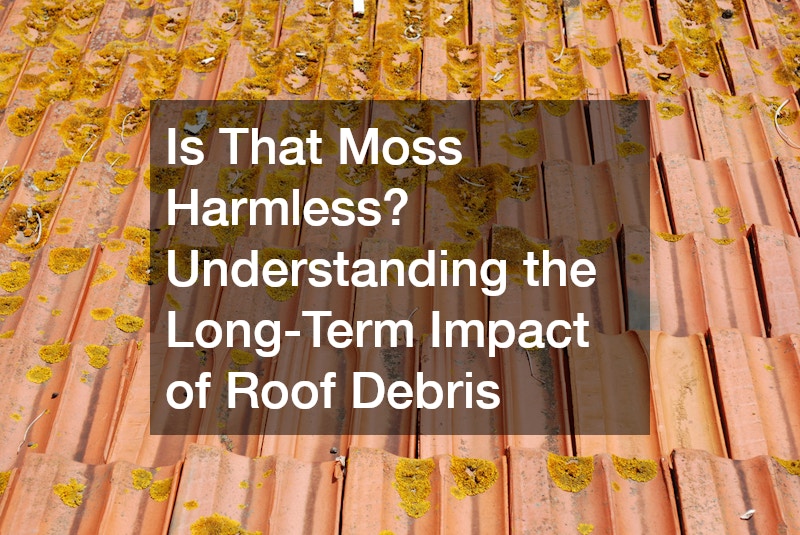
For many homeowners, a light dusting of green moss or a collection of fallen leaves on the roof is viewed as a charming, rustic aesthetic—a sign that a house has settled naturally into its environment. In damp or wooded climates, it is almost impossible to prevent organic matter from settling on the shingles. However, beneath that picturesque greenery lies a biological process that can quietly dismantle the structural integrity of your home. What looks like a harmless carpet of nature is actually a moisture-trapping mechanism that accelerates the aging process of your roofing materials.
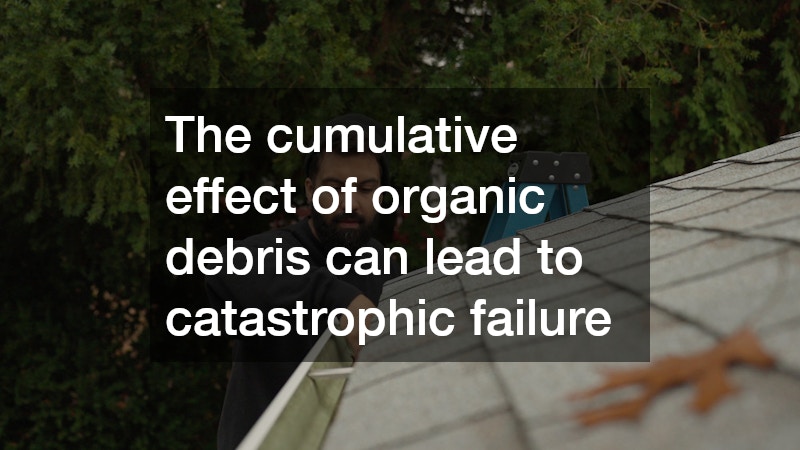
Understanding the long-term impact of roof debris is essential for home maintenance. While a single leaf or a small patch of lichen may not cause a leak today, the cumulative effect of organic debris can lead to catastrophic failure.
By the time a homeowner notices a problem from the inside, the damage to the roof deck and the underlying structure is often already extensive.
The Biological Attack: How Moss and Lichen Destroy Shingles
Moss is not like a standard plant; it lacks a traditional root system, instead using rhizoids to anchor itself to surfaces. When moss spores land on a roof, they find a perfect home in the narrow gaps between shingles or in the shaded crevices of a north-facing slope. As the moss grows, it acts like a sponge, absorbing and holding onto rainwater. This constant state of dampness is the primary enemy of asphalt shingles, wood shakes, and even some tile products.
As the moss thickens, it begins to lift the edges of the shingles. This “prying” action breaks the sealant strips that keep shingles wind-resistant. Once the edges are lifted, wind can easily catch the shingle and tear it away, or driving rain can be forced underneath the protective layer. Furthermore, the constant moisture promotes the growth of fungi and bacteria that feed on the organic fillers found in many modern shingles. Over time, this leads to “pitting”—small holes in the surface that allow water to reach the fiberglass mat or the wooden roof deck below.
Lichen, the crusty, leaf-like organism often found alongside moss, is perhaps even more destructive. Lichen produces a mild biological acid as it grows, which can chemically break down the granules on asphalt shingles or the protective glaze on clay tiles. When you attempt to scrape lichen off, it often takes the top layer of the roofing material with it, leaving the shingles vulnerable to UV damage and further erosion.
The Weight of Neglect: Debris and Drainage Issues
While moss and lichen are biological threats, general debris like pine needles, leaves, and twigs pose a physical threat to the roof’s drainage system. When debris accumulates in the “valleys” of the roof—the areas where two slopes meet—it creates a dam. During a rainstorm, water is supposed to flow quickly through these valleys and into the gutters. If a debris dam is present, the water slows down, pools, and begins to “wick” upward under the shingles.
This standing water is particularly dangerous during the winter months. In colder climates, trapped water in a debris pile will freeze and thaw repeatedly. This expansion and contraction can widen existing cracks and pull apart the seams of the roofing system. Additionally, the sheer weight of wet organic matter should not be underestimated. A thick layer of wet leaves and pine needles can add hundreds of pounds of unnecessary load to the roof rafters, leading to sagging or structural stress over several seasons.
Clogged gutters are the natural extension of this problem. When debris washes off the roof and into the gutters, it prevents water from being diverted away from the foundation. This leads to “overflow,” where water pours over the side of the gutter and splashes back onto the fascia boards and the siding. This constant splashing leads to wood rot behind the gutters, which can eventually cause the entire gutter system to pull away from the house, taking the edge of the roof with it.
Prevention and the Role of Professional Maintenance
The most effective way to combat the long-term impact of roof debris is through regular, proactive maintenance. Homeowners should aim to have their roofs cleared of large debris at least twice a year—ideally in the late fall after the leaves have dropped and in the spring after the pollen season. However, cleaning a roof is not a simple DIY task. Using a high-pressure power washer, for instance, is one of the worst things you can do to an asphalt roof, as it will blast away the protective granules and void your warranty.
Because of the risks involved in both the cleaning process and the physical danger of working at heights, many residents turn to local roofing businesses to handle the job. Professional crews use specialized, low-pressure chemical treatments designed to kill moss and lichen at the root without damaging the shingles. These “soft wash” systems use biodegradable solutions that break the biological bond of the organisms, allowing them to wash away naturally over the next few rain cycles.
Moss and debris are far from harmless. They are the early warning signs of a roof under siege. By understanding that your roof is a dynamic system that requires clear drainage and a dry surface, you can protect your home from the insidious creep of rot and decay. A clean roof is not just about curb appeal; it is about the long-term security of your most valuable asset. Don’t wait for the first brown spot to appear on your ceiling; look up, clear the debris, and ensure your home stays dry for years to come.